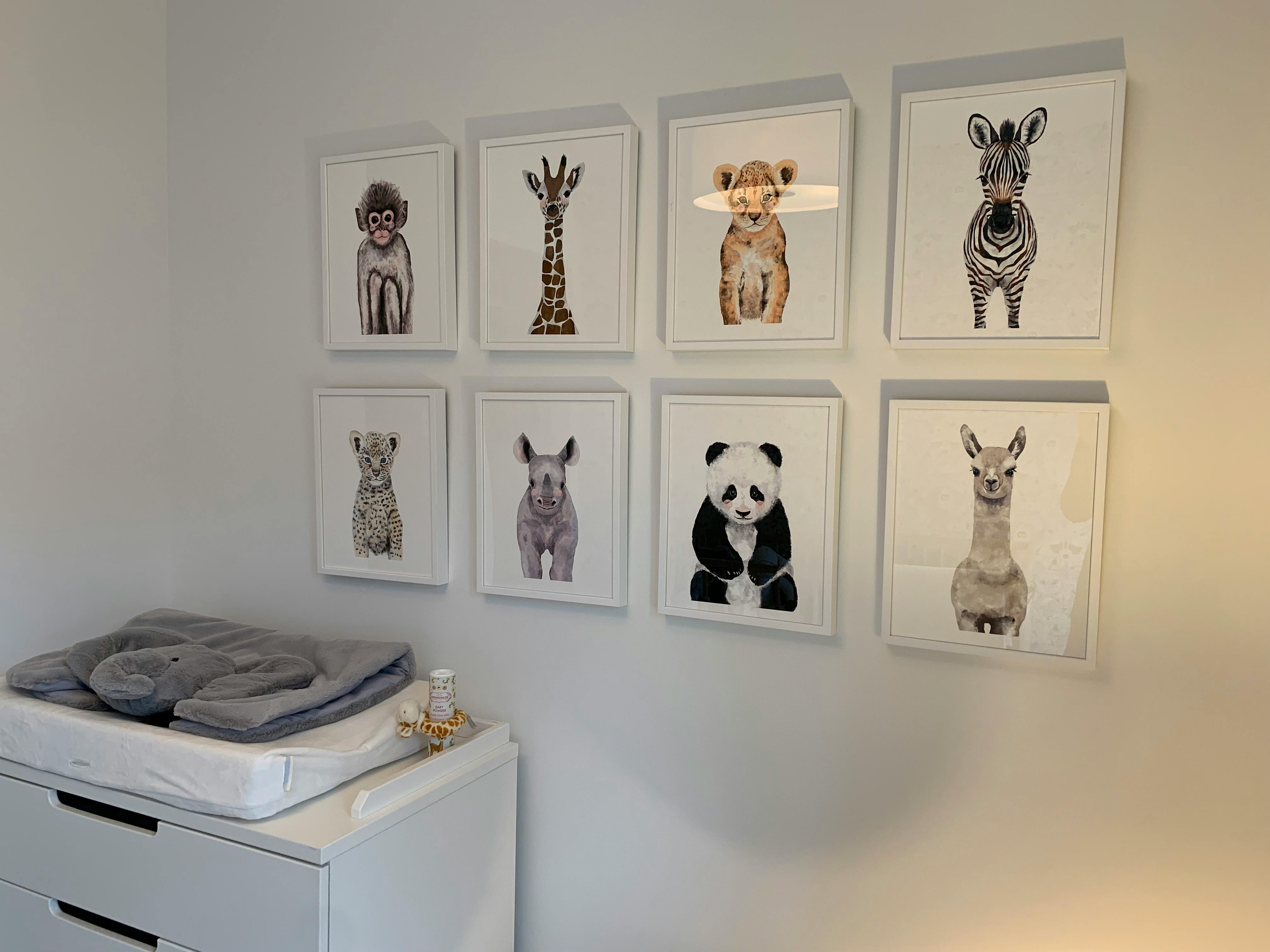
Education-themed Wall Art does more than fill an empty wall. The right Canvas Print or Art Print can help set a focused tone, support learning habits, and give a space a clear purpose. Whether you’re building a study corner at home, refreshing a teaching space, or choosing a thoughtful gift, education Artwork makes the message visible every day: keep learning, keep going.
This guide walks you through how to choose education Canvas Art by subject, how to pick the best print type, and how to plan size and layout so your Wall Decor looks intentional. You’ll also find a practical buying checklist and an FAQ section to help you order with confidence.
What education wall art is (and who it’s for)
Education Wall Hangings usually feature themes connected to learning—books, letters, numbers, diagrams, maps, study routines, and short phrases that support steady progress. It can be playful or serious, minimal or bold, but it should always be easy to read and easy to live with.
Education Paintings and prints work well for many people, including:
- Teachers and tutors who want visual cues that support daily instruction
- Students who want a study-focused room decor plan
- Parents creating a learning-friendly home setup
- Homeschool families building a consistent learning environment
- School teams updating halls, libraries, and common areas
If you want a curated starting point, browse the Education Wall Art Prints Collection and note which designs match your subject, age group, and layout needs.
How to choose education wall art by subject
The most successful Education Wall Print is specific. A strong subject focus helps the piece feel “made for the space,” not randomly added. Start with the subject you’re supporting most often, then choose a design style that fits the rest of your interior.
STEM picks: formulas, diagrams, and lab visuals
STEM-focused Art Picture designs often work best when the layout is clean and the symbols are easy to read from a distance. If the piece includes small details, consider an Art Print for sharp text edges, or choose a larger size so key information stays readable.
Reading and writing picks: typography and book-inspired designs
For language-focused themes, pick prints that feel calm and readable. Short phrases and clear type are usually better than long paragraphs. If the message is the main point, prioritize legibility first, then color second.
History and culture picks: charts, maps, and museum-style prints
History themes often look best when they feel like reference material: labeled diagrams, vintage-style graphics, or structured compositions. These designs can also pair well with other topics when you’re building a small gallery wall.
Mindset picks: study routines and progress cues
Mindset pieces help when they’re practical. Look for work habits, reminders, and small prompts that fit a learner’s daily routine. Keep the phrasing short so it stays clear even when the room is busy.
Here are fast ways to match subject and design style:
- Math and science: diagrams, symbols, structured layouts
- Language: clear typography, letterforms, reading themes
- History: maps, timelines, labeled illustrations
- General learning: routines, goal prompts, study cues
Picking the right print type
Choosing between a Canvas Print and an Art Print depends on how you want the piece to look up close, and how you plan to display it.
Canvas Print: depth, texture, and ready-to-hang presentation
A Canvas Print adds depth because it’s stretched over a frame. It’s a strong choice when you want the artwork to feel like a finished object without extra framing decisions. Artesty notes that canvas prints are printed on canvas with high quality ink, then hand-stretched on wood bars and packaged before shipping, which supports a clean, ready-to-display result.
Art Print: crisp detail for text-heavy designs
An Art Print is often the better pick when your design relies on small text, thin lines, or fine labels. If your education piece is more like a reference sheet—definitions, formulas, or detailed diagrams—an Art Print can help keep edges and letterforms sharp.
When to go bigger: Large Wall Art and Large Art Print
Large Wall Art works best when the design has breathing space and clear focal points. For education prints, size also protects readability. If you’re choosing a text-based piece, sizing up can make the message clear from across the room. If you’re planning a feature wall, consider Large Art Print formats for graphic-heavy layouts.
Size and layout planning
Before you click “buy,” plan your layout. A few minutes with a tape measure can prevent the most common mistake: choosing a print that feels undersized once it’s on the wall.
One statement piece vs. a small set
A single statement Canvas Art piece is the simplest plan: one clear subject, one clear placement, and a strong visual anchor. A small set works well when you want multiple topics (for example, one print for math and one for reading), or when you want to layer learning cues across a wider wall.
Match scale to your wall and furniture
As a rule of thumb, your wall art should relate to what sits below it (desk, shelf, or storage). If the print is too small, it can look like an afterthought. If it’s too large, it can feel crowded. Start by measuring the available width, then choose a size that fills a meaningful portion of that space without touching edges or corners.
Spacing rules for multi-piece layouts
If you’re hanging two or more pieces, keep spacing consistent. Uneven gaps can make even great Artwork look unplanned. Lay the arrangement on the floor first, then mark positions before hanging.
Color and style direction for education themes
Education Wall Decor should support focus. That doesn’t mean it must be neutral, but the message should remain easy to read.
Neutral palettes for focus
Neutral colors can help education prints feel calm and consistent with most interiors. They also reduce visual noise when the design contains charts, labels, or text.
Bold accents for energy
If your space needs more energy, choose one strong accent color, then keep the rest controlled. This works well for kids’ learning spaces and creative study areas.
Modern Art vs. vintage poster looks
Modern Art education designs often use clean geometry and strong type. Vintage poster looks often use labeled diagrams and classic reference layouts. If you want a more graphic design direction beyond education themes, browse Abstract Wall Art Prints for structured compositions that still work well with learning spaces.
Gift ideas for education milestones
Education Wall Art makes a smart gift because it’s personal without being fragile. It can celebrate a milestone and still stay useful year after year.
Teacher appreciation picks
Choose designs tied to teaching values (reading, curiosity, progress). If you know the subject taught most often, pick a subject-specific print that feels tailored.
Graduation and new-term gifts
For new-term gifts, focus on study routines and goal prompts. For graduation, choose a piece that reflects the next chapter: learning skills, leadership, or a field of study.
Pair a Wall Print with a short message
If the gift includes a note, keep it short. One or two sentences that connect the artwork to the person’s effort will mean more than a long message.
Buying checklist before you order
Use this checklist to make sure your Canvas Print or Art Print is the right fit for your plan:
- Confirm the subject: pick one main learning theme per wall area.
- Choose print type: Canvas Print for depth; Art Print for fine text and linework.
- Measure your wall: confirm width, height, and any obstacles (lights, shelves, switches).
- Decide orientation: portrait, landscape, or square—match your available space.
- Plan layout: single piece or a small set, with consistent spacing.
- Check the design’s readability: text should be clear at the distance you’ll view it.
- Review hanging plan: choose a placement height you can keep consistent across pieces.
If you’re building a learning corner that overlaps with a work setup, you may also like Office Wall Art for structured designs that suit desks, shelves, and professional study zones.
Explore the Education collection on Artesty
When you’re ready to pick a piece, start with one anchor design and build from there. The Education collection is a strong starting point for teachers, learners, and families who want learning cues that look intentional.
If you’re selecting art for younger learners, consider pairing education themes with playful designs from Kids Room Wall Art to keep the space friendly while still supporting learning routines.
FAQ
1) What sizes work best for education wall art?
Choose a size that keeps text readable at the distance you’ll view it. If the design includes labels or formulas, sizing up often helps more than choosing a more detailed design.
2) Canvas Print vs. Art Print: which is better for text-heavy designs?
Art Print is often better for small text and thin lines. Canvas Print is great when the design is more visual and you want a ready-to-hang presentation.
3) What does “ready to hang” mean?
It means the piece is prepared for display without extra steps beyond choosing your wall and using standard hanging hardware.
4) How do I choose education art for a teacher gift?
Pick a subject they teach or a message that fits their teaching style. Keep the design readable and avoid overly long text.
5) Are education prints only for schools?
No. Education Artwork works well anywhere learning happens—study areas, family spaces, and reading corners.
6) Should I choose one large piece or a set?
One larger piece is easier to place and often looks more “finished.” A set works if you want multiple subjects or a wider wall plan.
7) How do I plan spacing for a set of prints?
Keep the gaps equal between frames or canvases. Lay the arrangement on the floor first, then transfer measurements to the wall.
8) What themes work well for early learners?
Simple letter or number themes, basic shapes, and short learning prompts usually work best for early learning spaces.
9) What themes work well for older students?
Field-specific topics (science, math, literature, history) plus study routines and goal prompts tend to fit best.
10) How can I match education wall art to my existing decor?
Start with your current color scheme. Choose one accent color that repeats in the room, and keep text high-contrast for readability.
11) Can I mix education art with other wall art themes?
Yes. Keep a consistent frame style or a consistent color palette so the wall looks planned.
12) What should I check before ordering an extra large piece?
Measure the full wall area, confirm viewing distance, and make sure doors, shelves, and lights won’t crowd the artwork.
13) What kind of designs are best for focus?
Clear layouts, short messages, and high-contrast text are usually easiest to live with day to day.
14) How do I avoid ordering the wrong size?
Tape paper outlines to the wall at the intended size. If it feels too small, size up before ordering.
15) What’s a simple way to start if I’m unsure?
Choose one education-themed piece you love, hang it as the anchor, then add a second print only if the wall still feels empty.