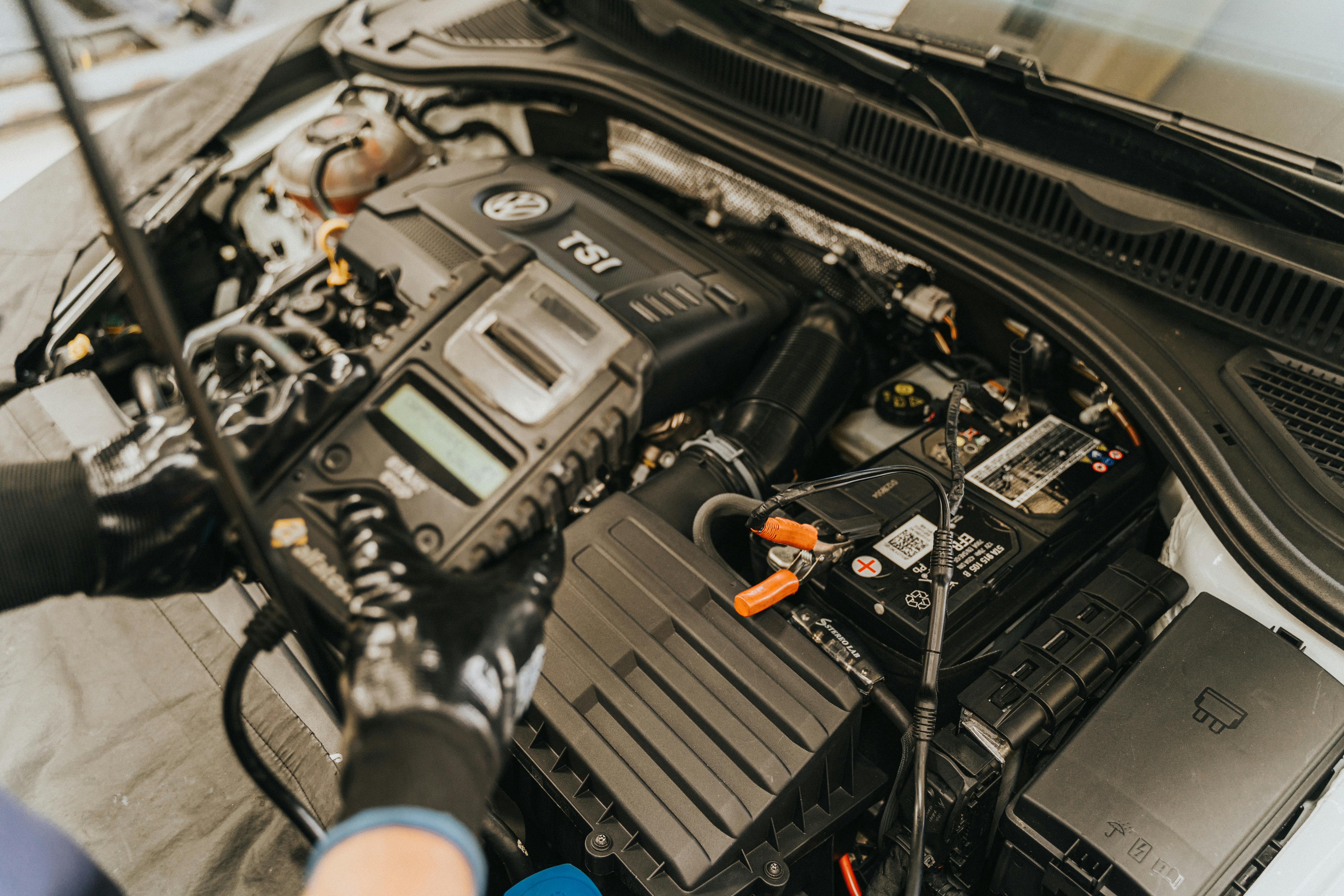
As more hybrid vehicles reach maturity, the industry is facing a growing challenge and opportunity at the same time: what should happen to every used hybrid battery that comes out of a vehicle? For repair shops, dismantlers, fleet operators, recyclers, and resellers, the answer should never be based on guesswork. Before any pack is reused, resold, or sent for material recovery, grading is essential.
Battery grading is the process of evaluating a battery’s condition, safety, performance potential, and remaining value. In practical terms, it helps determine whether a battery still has useful life, whether it should be broken down for parts, or whether it belongs in a responsible recycling stream. Without grading, businesses risk safety incidents, customer complaints, undervalued inventory, and missed recovery opportunities.
That is especially true for the hybrid battery market, where condition can vary significantly even among batteries from the same model year and vehicle type. Two packs may look identical on the outside, but their internal health, voltage stability, and recoverable metal value can be very different.
Why grading is no longer optional
The global push toward electrification has increased awareness around battery reuse and recycling, but hybrid systems require a more nuanced approach than many operators expect. A used battery is not automatically reusable, and it is not automatically scrap either. Proper grading sits at the center of that decision.
For businesses handling end-of-life vehicle components, grading offers three immediate benefits:
- Better safety management: identifying damaged, unstable, or compromised packs before storage, transport, or resale
- More accurate valuation: separating units with second-life potential from those best suited for material recovery
- Smarter downstream decisions: directing batteries into the most profitable and responsible channel
In many cases, the difference between a profitable transaction and a costly mistake comes down to whether the battery was properly assessed before it changed hands.
Reuse starts with confidence, not assumptions
There is strong interest in reusing hybrid batteries, particularly for repair markets where cost-conscious vehicle owners want alternatives to brand-new OEM units. But resale without grading creates serious risks. A battery with weak modules, imbalanced cells, overheating history, or hidden corrosion may fail shortly after installation. That failure affects more than one sale; it damages trust in the supplier and in the broader reused battery market.
Grading helps establish confidence by answering key questions:
- Does the pack maintain stable voltage under load?
- Are individual modules balanced within acceptable limits?
- Is there visible physical damage, leakage, or heat stress?
- Do connectors, bus bars, and casing components remain serviceable?
- Is the battery suitable for direct reuse, refurbishment, or parts harvesting only?
For buyers, that information reduces uncertainty. For sellers, it supports better pricing and fewer disputes. For workshops, it means a higher chance of successful installation and customer satisfaction.
Resale value depends on real battery condition
One of the biggest misconceptions in the secondary market is that age alone determines battery value. In reality, actual condition matters far more. A well-managed battery from a properly maintained vehicle may outperform a younger unit that has experienced repeated thermal stress, poor charging behavior, or long periods of inactivity.
This is where grading becomes commercially valuable. Instead of treating all used stock the same, businesses can sort inventory into categories such as tested reusable packs, repairable units, component recovery candidates, and full recycling lots. That segmentation improves pricing discipline and helps avoid selling a marginal battery as a premium product.
For companies dealing with a nickel metal hydride battery, grading is particularly important because these packs often retain recoverable value even when they are no longer ideal for direct vehicle reuse. Internal chemistry, module consistency, and metal content all influence the best commercial path forward.
Why recyclers benefit from grading too
Some people think grading only matters if a battery might be reused. In reality, recyclers also gain from proper pre-assessment. A graded battery stream is easier to manage, safer to store, and more efficient to process. It can also improve settlement transparency when materials move from collectors to processors and refiners.
Not every incoming battery has the same composition, level of contamination, or dismantling potential. By grading upfront, recyclers can separate material by chemistry, construction type, and expected recovery route. That leads to more predictable workflows and reduces the risk of mixing materials that should be handled differently.
For hybrid battery recycling, the quality of intake information matters. Knowing whether a unit is complete, damaged, previously opened, or suitable for module-level evaluation can significantly affect logistics, labor planning, and value recovery. Grading creates that visibility before more costly steps begin.
The hidden costs of skipping battery grading
When businesses skip grading, they often discover the cost later in less obvious ways. A battery sold without proper testing may come back as a warranty claim. A pack stored without identifying internal damage may present a handling risk. A recycler may receive mixed-value material and lose margin because reusable or higher-value components were never separated from lower-grade feedstock.
Common issues caused by inadequate grading include:
- Overpaying for weak or unsellable stock
- Underpricing batteries with reuse potential
- Higher transport and storage risks
- Customer disputes over quality and performance
- Inefficient recycling due to poor sorting
- Lost traceability across the value chain
For growing operations, these problems add up quickly. Grading is not just a technical step; it is a business control measure.
What a practical grading process should include
A useful grading program does not have to be overly complicated, but it should be systematic. The exact method will vary by operator, battery type, and intended downstream use. Still, most effective grading workflows include several core elements.
1. Visual and physical inspection
Start with the basics: casing integrity, signs of impact, swelling, corrosion, leaks, missing components, tampering, and terminal condition. This first step can quickly identify unsafe or obviously compromised units.
2. Electrical testing
Open-circuit voltage, internal resistance, and module balance all offer insight into battery health. Depending on the operation, additional diagnostic tools may help evaluate performance consistency across the pack.
3. Safety classification
Before a battery is moved into storage, resale, or processing, it should be classified according to handling risk. This is vital for transport planning and site safety compliance.
4. Route-to-market or route-to-recovery decision
After grading, each unit should be assigned to the most suitable channel: direct reuse, refurbishment, parts recovery, or recycling. This is where businesses protect margin and reduce unnecessary waste.
5. Documentation and traceability
Recorded results help support buyer confidence, internal quality control, and smoother transactions between suppliers, processors, and refiners.
Why specialized partners make a difference
As battery volumes rise, many businesses are realizing they need more than basic collection or disposal support. They need a partner that understands sourcing, processing, analysis, and global material movement. That is where experienced operators can add meaningful value.
Recohub, based in the UAE, works within a logistics-friendly environment that supports international trade and material flow. For companies dealing with hybrid batteries, this matters. Efficient collection, responsible handling, and clear downstream processing are all easier when the partner understands both the commercial and technical side of battery recovery.
What makes this especially relevant is that battery grading connects directly to broader recovery outcomes. A company that understands how batteries are assessed before reuse or recycling is in a stronger position to help clients maximize value, reduce avoidable losses, and move material responsibly through the next stage of the chain.
If your business is handling increasing volumes of used hybrid packs, now is the right time to review whether your current process truly distinguishes reusable stock from recyclable material. Even a small improvement in grading quality can translate into better pricing, lower risk, and stronger customer trust.
Grading supports both sustainability and profitability
The conversation around battery circularity often focuses on environmental benefits, and rightly so. Reuse can extend product life, and recycling can recover valuable metals while reducing waste. But neither outcome works well without accurate grading at the start.
Good grading keeps usable batteries in circulation longer, prevents unsuitable batteries from being resold irresponsibly, and ensures end-of-life materials are directed toward proper recovery channels. In other words, it supports sustainability by making each battery’s next step more informed.
At the same time, it supports profitability. Businesses that grade well buy smarter, sell more confidently, and recover value more efficiently. That combination is exactly what the market needs as hybrid vehicle volumes continue to generate more used battery inventory around the world.
For anyone involved in the reuse, resale, or recycling of hybrid batteries, the takeaway is simple: grading is not an extra step. It is the step that makes every other decision better. To learn more about practical handling and recovery options, Recohub’s resource on hybrid battery solutions is a useful place to start.