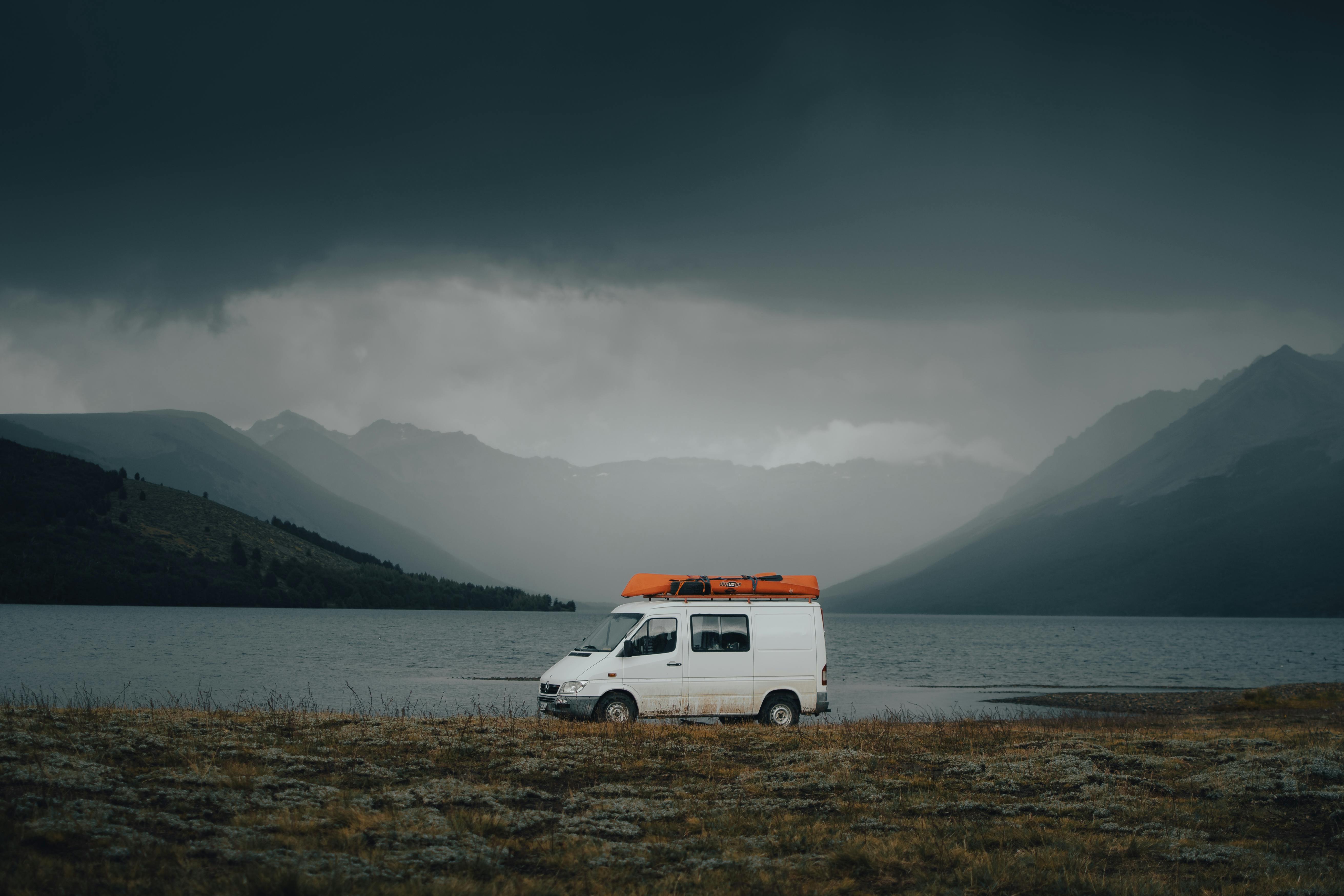
“How much would it cost to turn my van into a camper?” I hear this question almost every week. And almost every time, the honest answer starts with: it depends. Which is useless, I know. So let me try to do better.
I’ve built five motorhomes so far, some for our own rental fleet in Spain and some for private clients. What follows isn’t a theoretical price list. It’s what I’ve seen the money actually go into.
First, the van itself
People often forget this part, or they treat it as a separate project. It isn’t. The van you start with shapes almost every cost that comes after.
A high-roof van saves you from cutting the roof or installing a pop-top. A long wheelbase gives you room for a fixed bed and a proper kitchen without endless compromises. A van with a tired engine or a rusty floor will eat your budget before you’ve even bought a single piece of plywood.
My rule of thumb: if you’re buying a used van specifically to convert it, spend a bit more on a good base. Every euro you save on a bad van, you’ll pay back twice in repairs.
Where the money goes
A full conversion is basically five projects stacked on top of each other.
Insulation and walls. This is the least exciting part and the one people most want to skip. Don’t. Poor insulation means a van that’s an oven in summer, a fridge in winter, and a mould factory all year round, because condensation collects on cold metal behind the panels. It’s not the most expensive block, but it’s the one that’s hardest to fix later.
Electrical system. This is usually the biggest single cost. A solid setup for two people today looks something like this: a lithium battery of around 150 Ah, roughly 450 W of solar panels on the roof, a charger that tops up the battery while you drive, and an inverter if you want to use regular 230 V devices. Lithium batteries are expensive, but they’re lighter, last far longer and can be discharged much more deeply than old lead-acid ones. For anyone planning to actually live in the van rather than just sleep in it on weekends, I wouldn’t go back.
Heating and hot water. A diesel heater that runs off the van’s own fuel tank is the standard solution now. Add a small boiler for hot water and you suddenly have a vehicle you can use in November, not just in July.
Water. Fresh water tank, grey water tank, pump, sink, maybe a shower. Simple in theory, fiddly in practice, especially when you’re trying to fit it all into a space the size of a wardrobe.
Furniture and finishing. The part everyone posts on Instagram. It can be cheap or very expensive depending on materials. Lightweight plywood is your friend here: solid wood looks lovely and weighs a ton, literally adding up faster than you’d think.
So, what’s the actual number?
In our workshop, a full conversion (not including the van) starts at around 15,000 euros for a two-person layout. For four people, with more beds and more storage, it’s more like 18,000 to 20,000 euros. The main thing that moves the price isn’t the furniture. It’s the equipment: battery size, solar, heating, how much water you want to carry.
If you want a more detailed breakdown, here’s a guide on how much a van conversion costs with the typical price ranges by layout and equipment level.
A DIY build can obviously come in much cheaper, sometimes a third of that, if you have the time, the tools and a garage. But be honest about the time. What starts as “a few weekends” usually turns into months. A professional workshop can finish a build in about three weeks. A first-time DIY builder working evenings rarely does it in under six months.
The cost nobody talks about: paperwork
In most European countries, you can’t just build a camper and drive off. The conversion has to be inspected and approved, and the vehicle re-registered as a motorhome. In Spain, for example, that homologation process adds roughly two to three weeks after the build is finished, plus the fees.
Skip it and you risk problems with insurance, roadside inspections, and the sale of the vehicle later. It’s not glamorous, but it’s part of the real price.
Where people overspend
The most common mistakes I see:
- Buying a huge inverter “just in case” and then never using anything bigger than a laptop charger.
- Spending heavily on premium wood finishes and cutting corners on insulation.
- Forgetting the vehicle’s weight limit. In Europe, a standard driving licence covers vehicles up to 3,500 kg, and a heavy build can push you over without you noticing.
- Redoing work because the layout wasn’t tested first. Before you build, rent a camper for a week. You’ll learn more about what you actually need than from any YouTube video.
Is it worth it?
If you’ll use the van regularly, yes. A well-built camper holds its value surprisingly well, and it gives you a kind of freedom that no hotel booking ever will.
Just go in with realistic numbers. The van, the build, the paperwork, and a small buffer for the things that always go wrong. Plan for all four, and the project stays a pleasure instead of turning into a money pit.